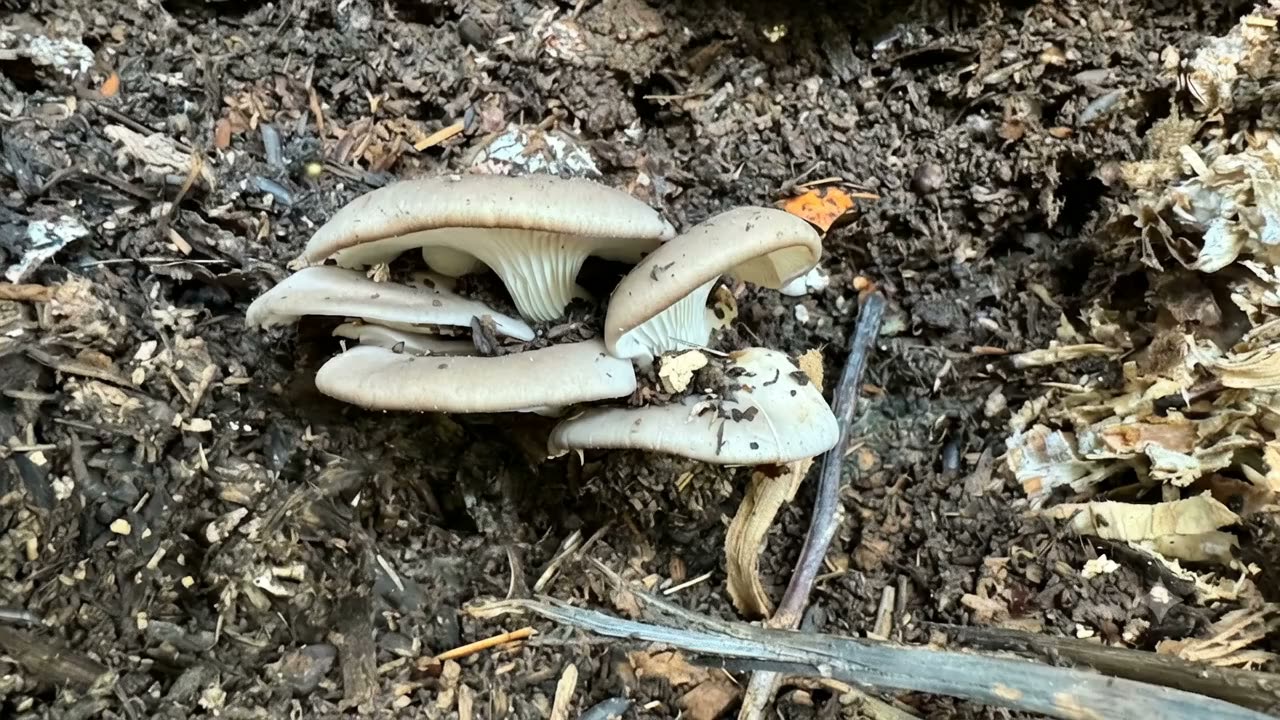
Everything alive in your soil is either being fed or being starved. That is most of it. The rest is detail.
If you are new to this, start here. No jargon you have to pretend to understand, and nothing to buy.
The one principle
Inoculate the soil with strong cultures of biological communities, then build an environment where those species thrive.
That is the whole thing. Two halves, and the second half is the one people skip. Introducing biology into ground that cannot support it is just an expensive way to compost something twice. You have to give it somewhere to live: moisture, air, carbon, and something to eat that has not been sterilised.
Waste streams are feedstock
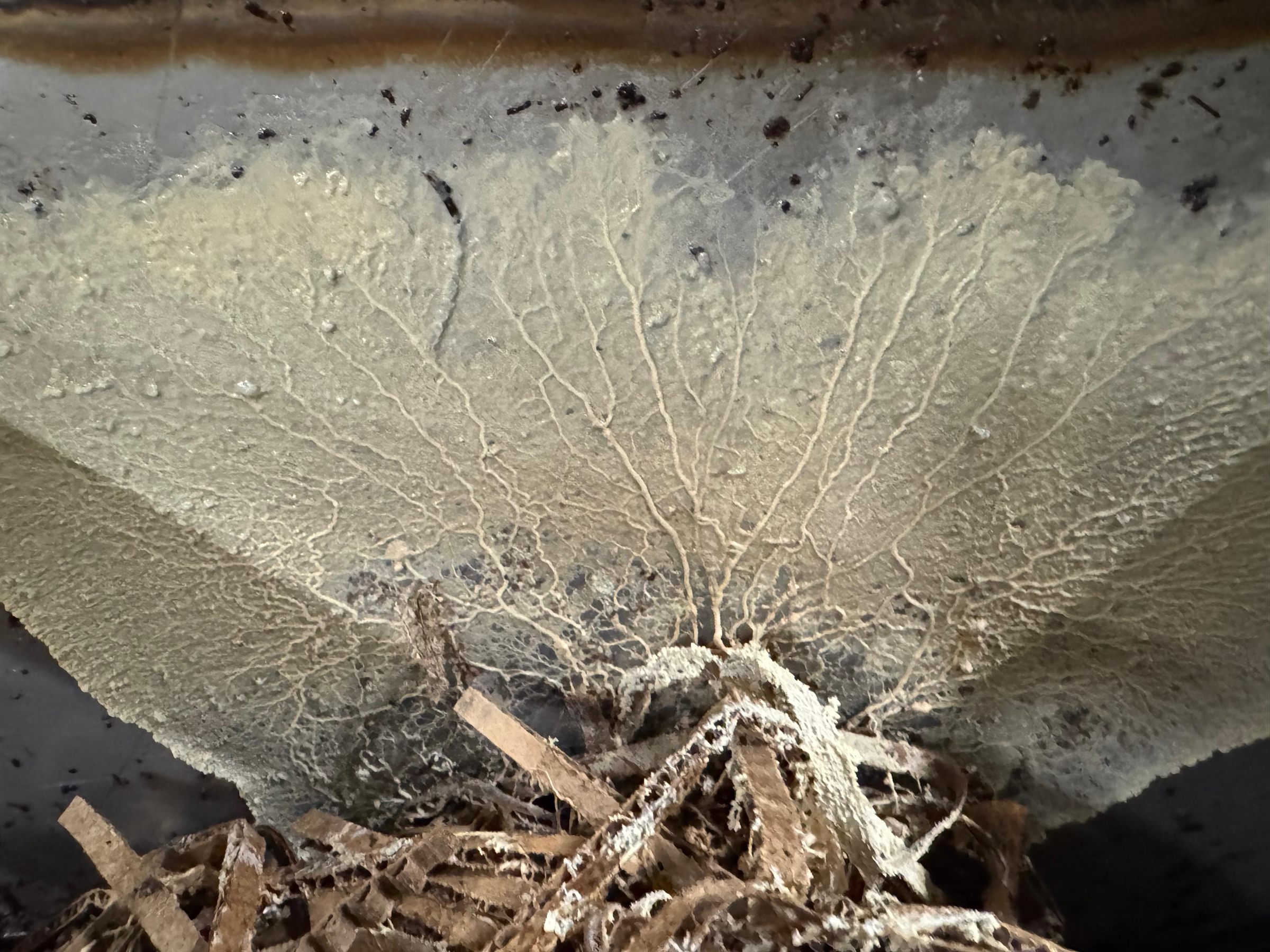
Being regenerative starts with observing the energy flows in a system you already have, and diverting the waste streams toward value.
Manure. Food waste. Cardboard. Leaves. Spent grain. Wood chips. Most operations pay somebody to haul these away, which is a strange thing to do with the raw material for some of the highest-value biological amendments there are.
Before you buy an input, walk your own place and ask what is currently leaving it. That is usually where to begin.
Where beginners actually get stuck
Not on theory. On four things, more or less in this order:
Drowning the bin. Bedding should feel like a wrung-out sponge. If you can squeeze water out of it, it is too wet, the oxygen is gone, and it will go anaerobic and sour. This kills more first bins than anything else.
Overfeeding. A new bin cannot process what you think it can. Feed a little, wait until it is visibly gone, then feed again. The worms set the pace, not you.
Sterilising the good out of it. Heat, chlorine and broad-spectrum anything will undo the work. Let tap water sit out before using it, or the chlorine does its job on exactly the organisms you are trying to establish.
Judging it too early. Biology runs on its own clock. A bin that looks like a failure in week three is often fine by week eight.
Why castings, specifically
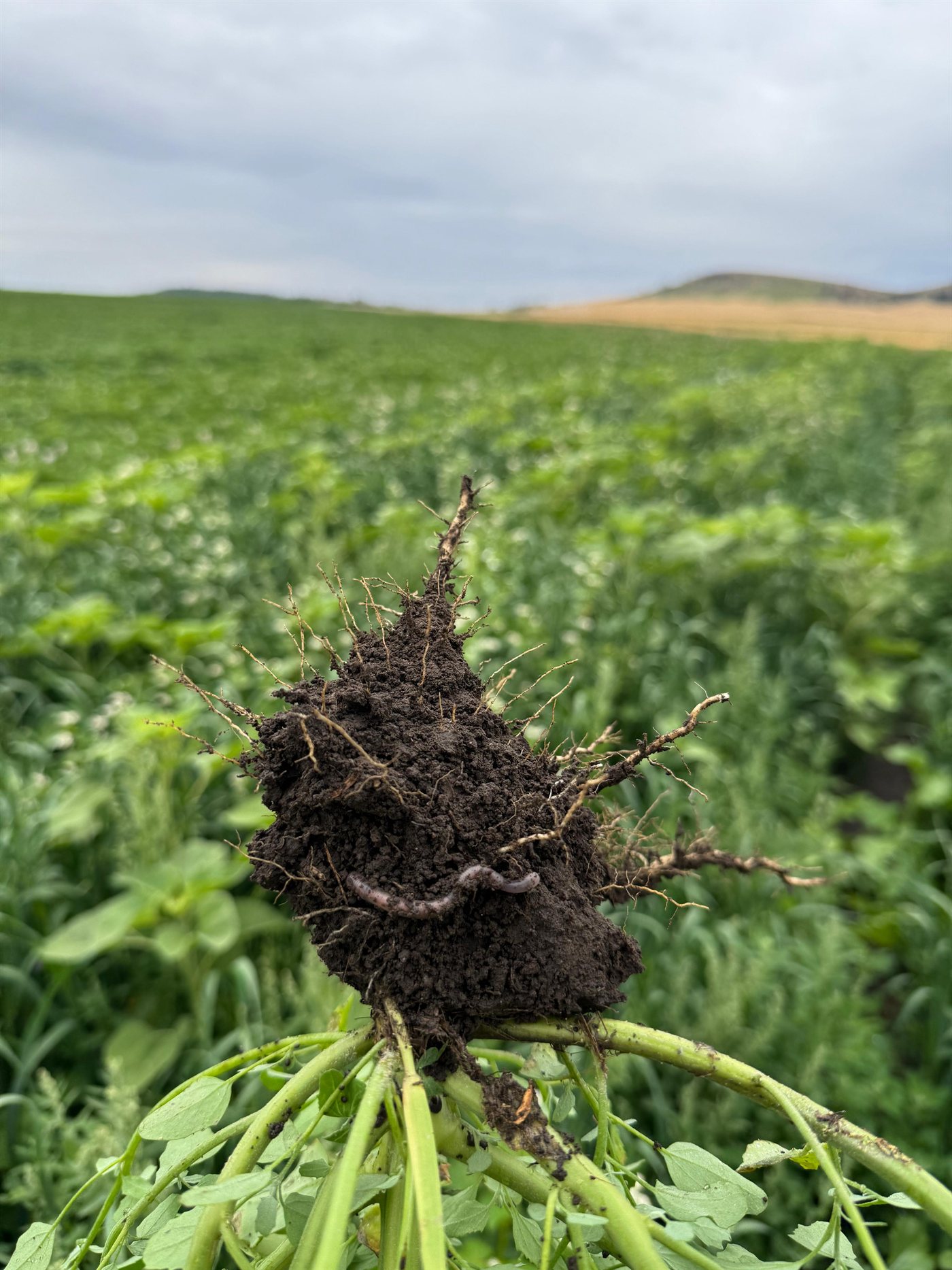
Worm castings are unusually rich in humic substances, particularly humic and fulvic acids, produced as worms work through organic matter. The process accelerates humification, and what comes out is stable, nutrient-dense organic matter that improves soil structure, holds water, and makes nutrients available to plants instead of just present in the soil.
Stable is the operative word. You are not adding fertiliser that washes through. You are building something that stays.
It works at any scale
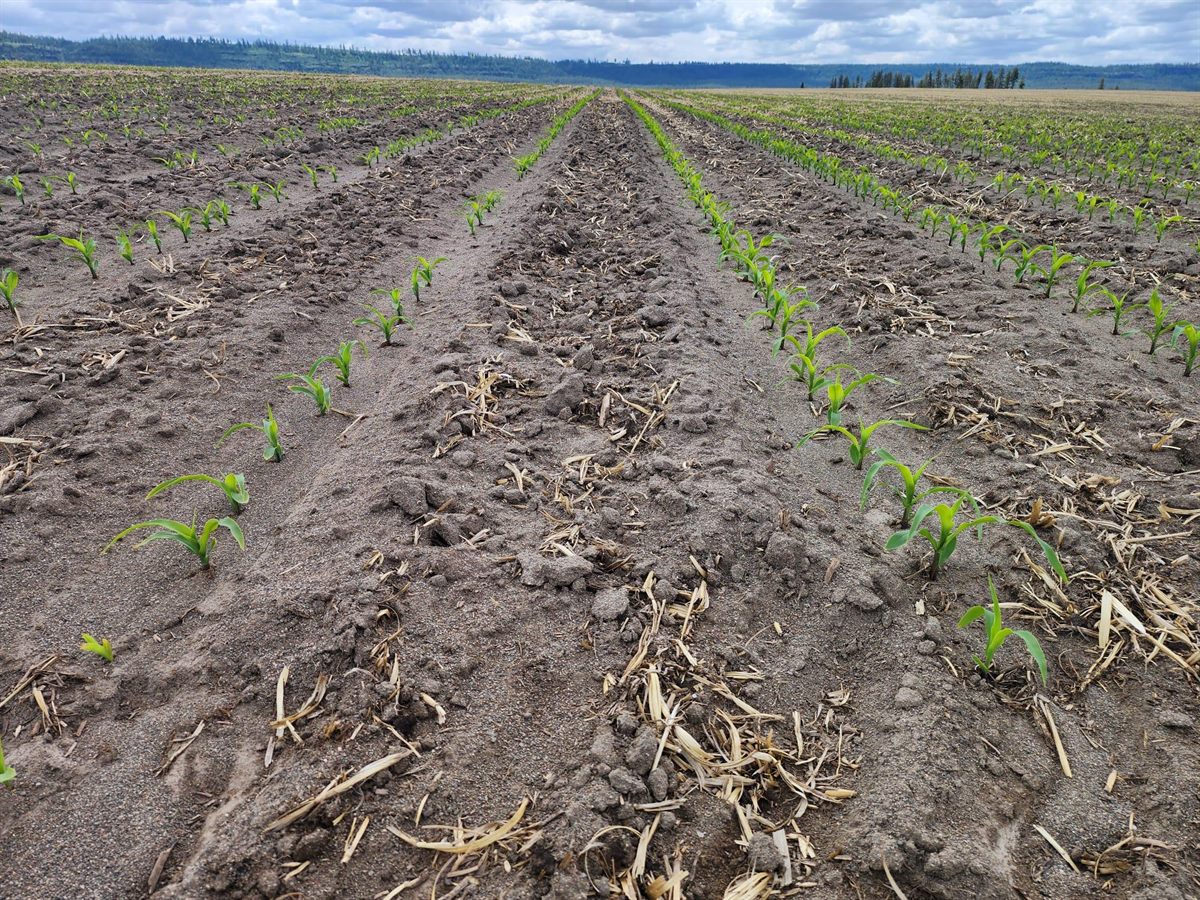
The biology does not care whether you are running a single tote in a garage or a quarter section under cover crop. The same principle applies: inoculate, then build the conditions. What changes is logistics, not theory.
If you want to go deeper
Read through the notes on humic content in vermicompost, then have a look at the photographs on the front page — most of what is worth learning is visible in them if you know what you are looking at.
When you are working on something specific and want a second opinion, get in touch. Consulting is available for farms and gardens at any scale.